|
Getting your Trinity Audio player ready...
|
Growing outstanding tomatoes requires a combination of the right varieties, proper soil, good care, and attention to detail.
Here’s a guide to help you grow tomatoes that are flavorful, productive, and healthy:
Choose the Right Tomato Varieties
Select Varieties Suited to Your Climate:
Some tomatoes thrive in cooler climates (e.g., “Coolweather” or “Early Girl”), while others are better for hot, long growing seasons (e.g., “San Marzano,” “Brandywine,” or “Cherokee Purple”).
Consider Disease Resistance:
Opt for disease-resistant varieties if you’re prone to issues like blight or wilt. Look for varieties with codes like “VFF,” which indicate resistance to common tomato diseases.
Start with Quality Seeds or Plants
Start Seeds Early:
If starting from seed, start indoors 6–8 weeks before the last frost date to give your plants a head start.
Buy Healthy Transplants:
If buying seedlings, choose healthy, stocky plants with dark green leaves. Avoid plants with yellowing, pest damage, or signs of disease.
Soil Preparation
Well-Drained, Nutrient-Rich Soil:
Tomatoes prefer slightly acidic soil with a pH of 6.0–6.8. Amend your soil with compost or well-rotted manure to improve both structure and nutrient content. Use at least 1 year or older cow or sheep manure and add compost to the soil. Tomato plants thrive on compost. Got any leaves saved over from fall? Chop them up and blend them in the soil; they are full of nutrients!
Good Drainage:
Tomatoes don’t like wet feet. Ensure your soil drains well to prevent root rot.
Optimal Planting Conditions
Warm Soil and Air Temperature:
Tomatoes are warm-season plants. Plant them when the soil temperature is consistently above 60°F (15°C) and air temperatures are between 70–85°F (21–29°C). Plant on an overcast, cloudy day so as to not shock the plants as much.
Space Your Plants Properly:
Give your tomato plants enough space to spread out. For determinate types (bush tomatoes), space them about 18–24 inches apart. For indeterminate types (vining tomatoes), space them 24–36 inches apart.
Planting Tips
Plant Deeply:
When planting, bury the stems of your tomato plants up to the first set of true leaves. Tomatoes can develop roots along their buried stems, leading to stronger plants.
Sprinkle in each hole, a handful of crushed egg shells into each deep hole. The eggshells provide something that tomatoes thrive on and can’t get enough of: CALCIUM! The calcium from the egg shells is absorbed up into the roots and into the stems of the tomato plants. If you have yellowing tomato plants, you have a calcium deficiency!
Sprinkle in a handful of worm castings!
Sprinkle in some bone meal!
Provide Support Early:
Use cages, stakes, or trellises to support your plants from the beginning. This prevents diseases, helps with air circulation, and makes harvesting easier.
Watering and Irrigation
Consistent Watering:
Tomatoes need deep watering. Keep the soil consistently moist but not soggy. Water at the base of the plant, avoiding wetting the leaves, which can promote disease.
Avoid Overhead Watering:
Watering from above can lead to fungal diseases, like blight. Use drip irrigation or water at the base of the plant.
Mulch:
Apply mulch (straw, grass clippings, or shredded leaves) around the base of the plant to conserve moisture and keep soil temperatures even.
Fertilizing
Use a Balanced Fertilizer:
Tomatoes are heavy feeders. Choose a fertilizer that’s high in potassium and phosphorus, with moderate nitrogen. Too much nitrogen can encourage leafy growth at the expense of fruiting.
Fertilize Regularly:
Apply fertilizer every 3-4 weeks, or use a slow-release granular fertilizer at planting time and supplement with a liquid fertilizer during the growing season.
Pruning and Managing Growth
Prune for Airflow:
Regularly remove suckers (the small shoots that appear between the main stem and branches) to encourage better airflow and focus the plant’s energy on producing fruit.
Trim Lower Leaves:
Trim leaves that are touching the soil to prevent soil-borne diseases from splashing up onto the plant.
Indeterminate Varieties:
If growing indeterminate tomatoes (vining types), prune the main stem to keep them manageable and help fruit ripen faster.
Managing Pests and Diseases
Monitor for Pests:
Common pests like aphids, whiteflies, and tomato hornworms can damage your plants. Use organic methods, such as insecticidal soap, neem oil, or handpicking hornworms.
Rotate Crops:
If possible, rotate tomato plants each year to reduce the buildup of soil-borne diseases like Fusarium and Verticillium wilt.
Use Companion Plants:
Plant basil, marigolds, or garlic nearby to help deter pests and improve flavor.
Harvesting
Pick at the Right Time:
Harvest tomatoes when they are fully colored, firm, and slightly soft to the touch. It’s best to pick them when they’re just slightly under-ripe, as they will continue ripening off the vine.
Handle with Care:
Tomatoes can bruise easily, so handle them gently to avoid damage that can cause them to spoil.
Temperature Management
Avoid Extreme Heat:
If temperatures soar above 90°F (32°C) for extended periods, tomato plants may struggle to set fruit. Provide shade or use row covers to help protect them.
Cold Weather Protection:
If a late frost threatens, use row covers or cloches to protect young plants from chilly temperatures.
Improve Flavor
Watering and Stress:
To get the most flavorful tomatoes, water your plants consistently but don’t overdo it. A little bit of stress (like slightly dry soil) can actually improve the flavor by increasing sugar concentration in the fruit.
Sun Exposure:
Tomatoes need full sun—at least 6–8 hours per day. The more sun they get, the sweeter and more flavorful they will be.
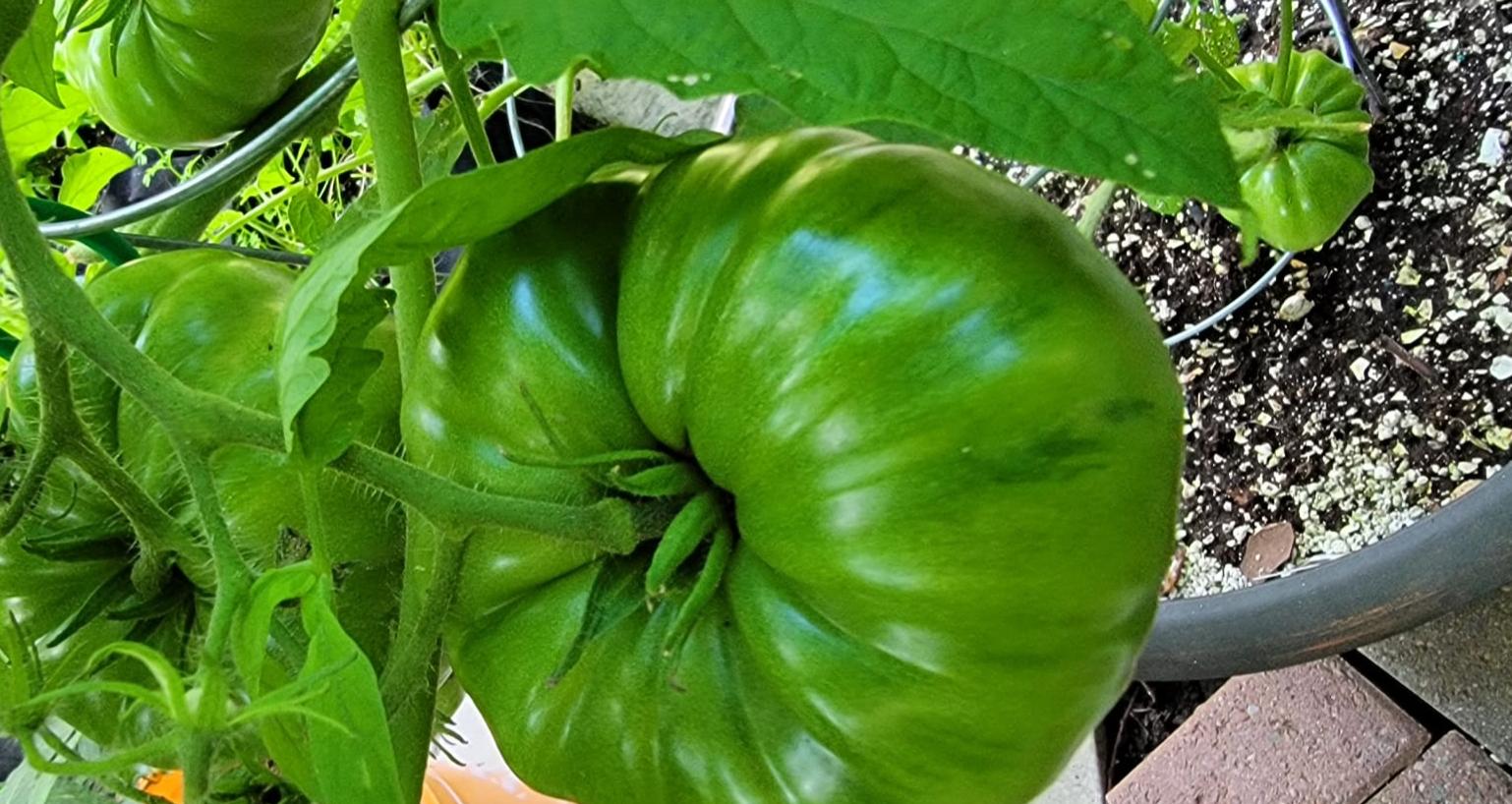
By combining these best practices, you’ll be able to grow tomatoes that are not only abundant but bursting with flavor, texture, and nutrition. Happy gardening!